How good is your B.S. detector when it comes to navigating nutrition and health information online?
If you’re thinking, “not that good,” I think that humility can serve you well. It’s incredibly helpful to know what you don’t know. I’ve been in the field for over twenty years and the spread of misinformation has never been worse. It’s the wild west out there.
My friend Julie recently recommended Ronny Chieng’s latest Netflix comedy special. There’s a funny clip where he vents about his experience going on Youtube for videos on how to lift weights:
“In the video, the kettlebell-swinging guy, he’s doing the new kettlebell exercise, the lawnmower. And then, like 30 seconds into the video, he just, suddenly, just stops. And he looks really sad. And he puts the kettlebell down. And he looks straight into the camera. And he’s like, Yo, guys, just real talk for a second, all right? Kettlebells are great, but I just want you guys to know that a healthy body starts with a healthy mind.
And all the men watching this are like, Yeah…Yeah, that makes sense. That feels right, in here. Tell me more, kettlebell-swinging guy.
What other advice do you have for all areas of my life? Including my relationships and financial investments. Please give me guidance, kettlebell-swinging guy. So what do you do? You watch his next video on autoplay. Then you watch his next video. Here comes the YouTube algorithm with a suggested video. And here comes another suggested video. And a week later, Jordan Peterson is telling you that women use makeup to control men.
Five weeks later, you’re storming the Capitol dressed like a buffalo.”
My husband Ben paused the TV and said, “Omigod, that is so true!” He then shared a Youtube clip of a guy he follows for exercise tips who is now offering life coaching (“for every part of your life” his voice booms).
The internet is filled with clickbait titles that are hard to resist. A few actual titles from popular podcasts:
The FIVE foods you should NEVER eat!
The Shocking New Truth about Weight Loss, Calories and Diet!
Eat THIS to Lose Fat, Prevent Disease & Feel Better Now
It’s confusing out there. We are living in the Age of Misinformation.
Even as a health professional, I’m not above falling into a misinformation pothole. After gathering some friends to watch the M Factor Documentary and then recommending it to other friends, I recently learned that it’s the first menopause documentary to lose its CME Accreditation due to misinformation.
So I guess I need this reminder too: Just because someone sounds really confident in what they’re saying and has credentials after their name, it doesn’t mean it’s automatically true.
Even so, I don’t regret going to the M Factor screening. After the movie, there was a panel of mostly local specialists including Naomi Busch, MD, CMS and Ashley Fuller, MD. My main takeaway from hearing them speak was how much your own subjective experience matters. It’s the main thing that guides their treatment plans, if I heard them correctly.
That reminds me of Intuitive Eating, a science-backed approach that recognizes that you are the expert of your own body and experiences. The great Carl Rogers writes in his book On Becoming a Person:
“Experience is, for me, the highest authority. The touchstone of validity is my own experience. No other person’s ideas and none of my own ideas are as authoritative as my experience. It is experience that I must return again and again, to discover a closer approximation to truth…”
(Quote from Evelyn Tribole’s book Intuitive Eating For Every Day.)
Good teachers and clinicians IMO bring you back to yourself. They’re deeply curious about your experiences and help you connect the dots so you can gain insight and clarity on next steps. Over time, you grow a foundation of body wisdom and self-trust. You become more inner-directed than outer-directed.
My goal with clients is to put myself out of a job.
So if you’re learning about nutrition and health through IG, TikTok, Youtube and podcasts, I think it’s wonderful that you want educate yourself on these important topics.
Just keep in mind that it’s helpful to have a good B.S. detector and the humility to say, “hmm, I don’t know about that.” Also fun fact: anyone can call themselves a “nutritionist.”
You might consider whether the messages you’re taking in promote fear and black-and-white thinking about food or whether they encourage curiosity, nuance and cultivating self-trust. Remember: algorithms prioritize the former.
Honestly, it’s tricky to navigate alone.
If food has felt stressful in anyway and you’re interested in connecting (or reconnecting) for personalized nutrition and wellness coaching, just reply back to this email. If I’m not the best fit for you, I always try to give at least 1-2 names of someone who might be. Fyi: many insurance plans cover nutrition appointments, sometimes 100% or close.
Just please: don’t get nutrition advice from another version of “kettlebell guy.” Let him stick to kettlebells.
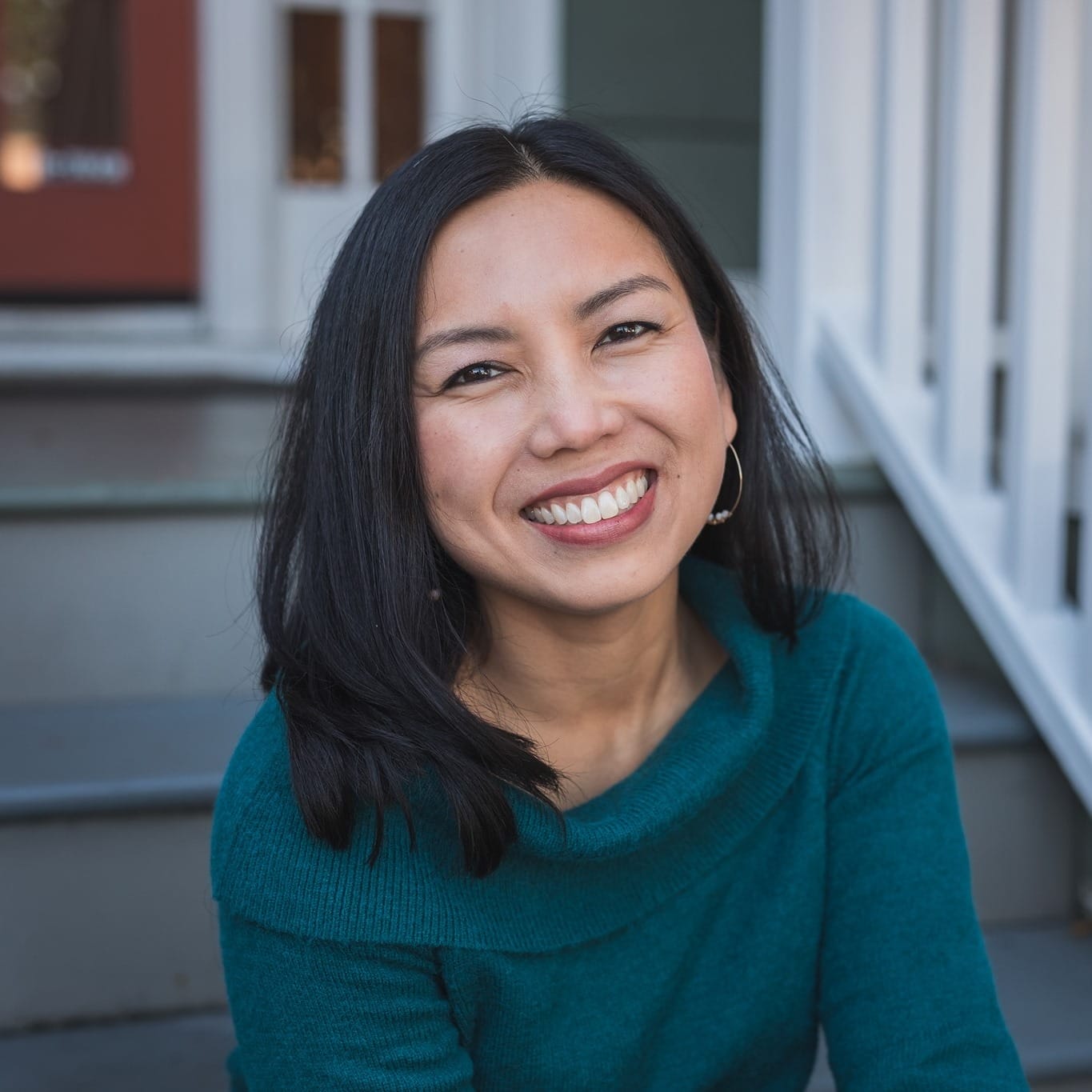
I’m grateful to be doing work that is so rewarding, supporting people to have a better relationship with their food, body and mind.
My approach is strengths-based, trauma-informed, weight-inclusive (Health At Every Size based) and grounded in cultural humility.
Both my nutrition therapy and body-based practices are influenced by a wide range of teachings and modalities that allow my approach to be both eclectic and more effective than simply working with one lens or modality.
By working together, I hope you’ll gain insight, compassion and tools to feel more resourced and confident about how you feed and care for yourself – well after our time together ends.